

Understanding the Process of Installing a New Heating Unit
Installing a new water heater can be a significant upgrade for your home. It ensures you have reliable hot water whenever needed. However, it’s important to know what happens during this process. From initial planning to final inspection, each step is crucial to ensuring efficient and long-lasting results. Understanding these stages will help alleviate any concerns you might have about disruptions or unexpected costs. Let’s delve into the various aspects of this service, so you know exactly what to expect.
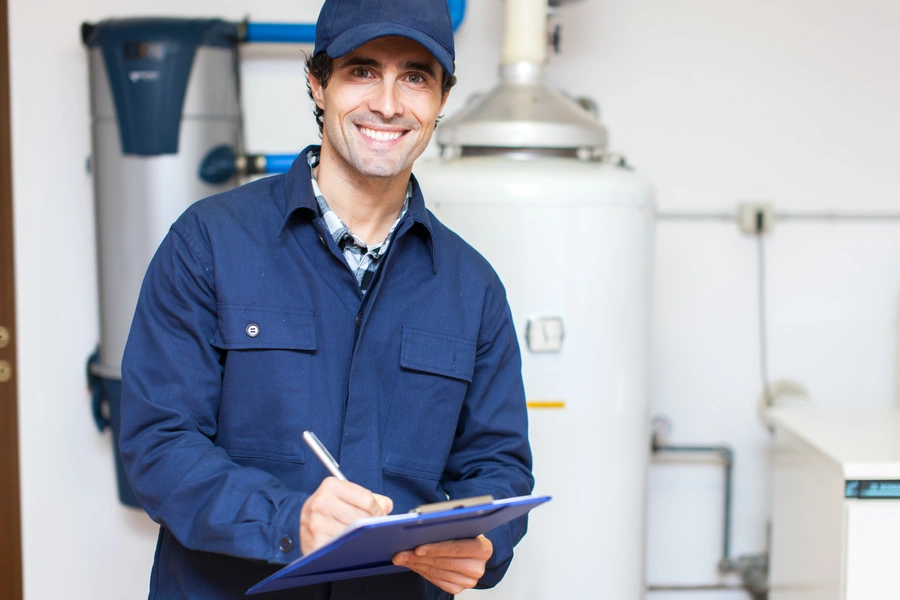
Initial Assessment by Professionals
The first step involves professionals assessing your current setup and needs. They evaluate the space available, existing plumbing connections, and the power supply. This evaluation helps them determine the best type of water heating unit for your home. It’s also when they discuss potential challenges that could arise during the water heater installation process. Having this information upfront allows you to prepare and make informed decisions.
Choosing the Right Model
Once the assessment is complete, the next step is selecting the appropriate model. Factors like energy efficiency, capacity, and fuel type play a role in this choice. Different models offer varying benefits, such as faster heating times or lower energy consumption. It’s essential to consider these features based on your household’s specific needs.
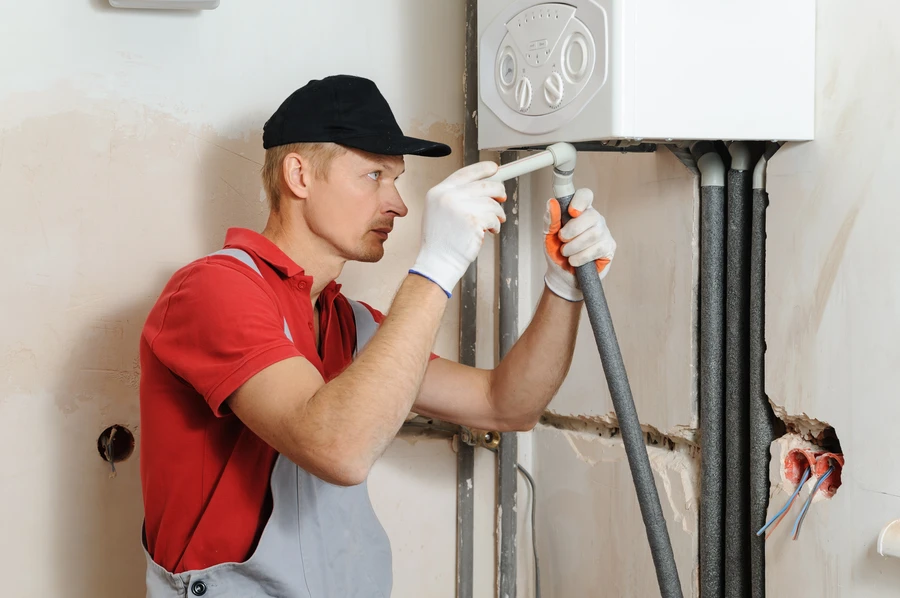
Removal of Old Equipment
Before installing a new unit, the old water heater must be removed. Technicians drain and disconnect it safely, minimizing disruption to your home life. Proper disposal of the old unit is crucial, ensuring compliance with local regulations. The removal process sets the stage for a smooth water heater installation of your new system.
Installation Steps Involved
The actual installation involves several key steps:
- Placing the new water heater in position
- Connecting it to the existing plumbing and power sources
- Ensuring proper venting and safety measures are in place
- Testing the system to confirm functionality
Common Challenges Encountered
During installation, some common issues may surface. These can include outdated plumbing systems or inadequate power supplies. Addressing these problems promptly prevents delays and ensures the system operates efficiently. Professional installers are trained to handle these challenges, providing solutions that meet industry standards.
Compliance With Local Standards
Following local codes and regulations is essential during installation. This includes ensuring proper ventilation and electrical connections. Adhering to these standards not only guarantees safety but also extends the lifespan of your appliance. Installers will guide you through necessary permits and inspections required by local authorities.
Total Cost Considerations
The cost of installation varies depending on factors like equipment selection and labor fees. While investing in a quality unit might seem expensive initially, it offers long-term savings through reduced energy bills and fewer repairs. Discussing financial options with your installer can provide clarity on expenses involved.
Final Thoughts on Ensuring Efficient Hot Water Access
Your new water heating system will provide consistent hot water access once installed correctly. Working with professionals from Sewer Express ensures every aspect is handled expertly. Don’t hesitate to reach out at (815) 476-8654 if you’re in Wilmington, IL and ready to improve your home’s comfort today!